

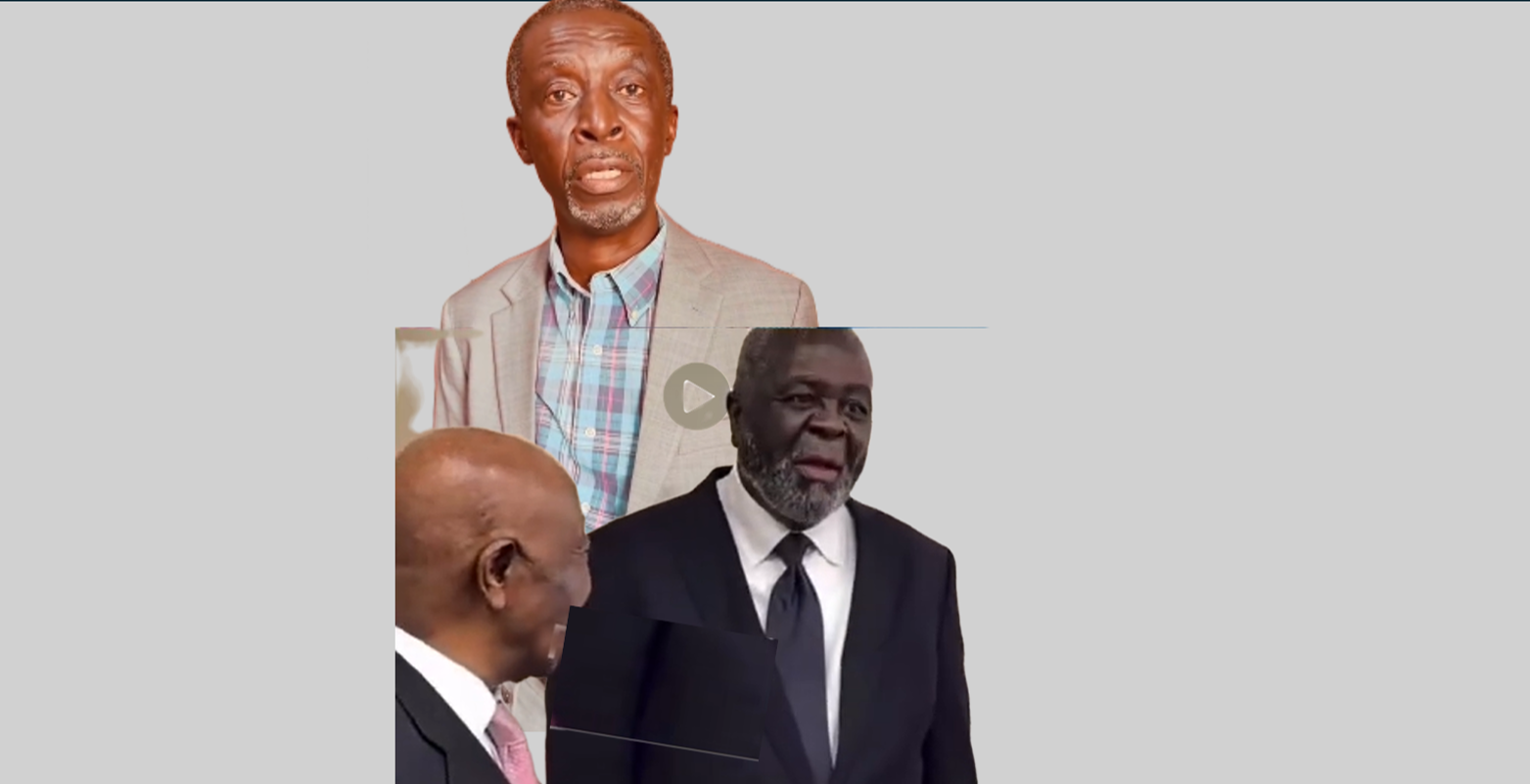
–For Saying “A Brilliant Lawyer Knows The Law, Good Lawyer Knows the Judge
–Says Boakai’s Statement is Corruption Prone
He is a lawyer of repute, no doubt about it. But Cllr Tiawan Saye Gongloe is not looking out for himself. He is sounding an early warning that a statement coming from Liberian President Joseph Boakai has the propensity to corrupt young lawyers. Cllr. Gongloe says President Boakai’s comment on lawyers is unbecoming of a national leader.
“I always say, an excellent lawyers know the law, but a good lawyer knows the judge.” That was the direct comment of Pres. Boakai, while in the midst of his officials. They laughed as did the President.
But Cllr. Gongloe, former Presidential Candidate on the ticket of the Liberian People’s Party (LPP), believes the President’s comment is intended to increase corruption, not minimize it, and that Boakai’s comment runs directly opposite to his professed declaration battle against corruption.
Cllr. Gongloe is the most adept advocate of human rights, good governance, and constitutional democracy. He has stood the test of time throughout his career as a lawyer, known as the poor man’s lawyer.
Cllr. Gongloe wrote on his social media page, saying, “A LAWYER SHOULD KNOW THE LAW—NOT “KNOW THE JUDGE.”
“President Joseph Boakai recently repeated the familiar joke: “A good lawyer knows the law, but a better lawyer knows the judge.”
“It may have been intended as humor. But in a country where the President himself has publicly raised concerns about corruption and confidence in the justice system, presidential words matter.
As a law professor, the message I want our young lawyers to hear is different:
“Know the law. Master procedure. Respect legal ethics. Prepare your evidence. Argue your case on its merits.
“No lawyer should succeed because of personal access to a judge. A lawyer should succeed because the judge knows the law, follows the law, and applies it impartially. This is bigger than a joke. It is about the professional culture we want to build. Liberia deserves a justice system where the law—not connections—decides cases. Lawyers, law students, judges, professors and citizens: what standard should we teach the next generation?”
