

By Archie Sei-bob Yini
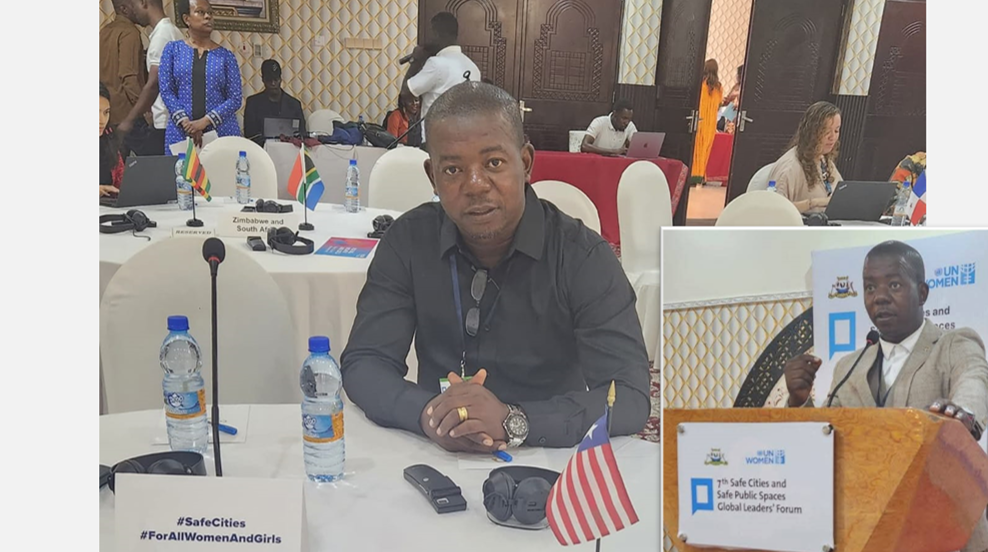
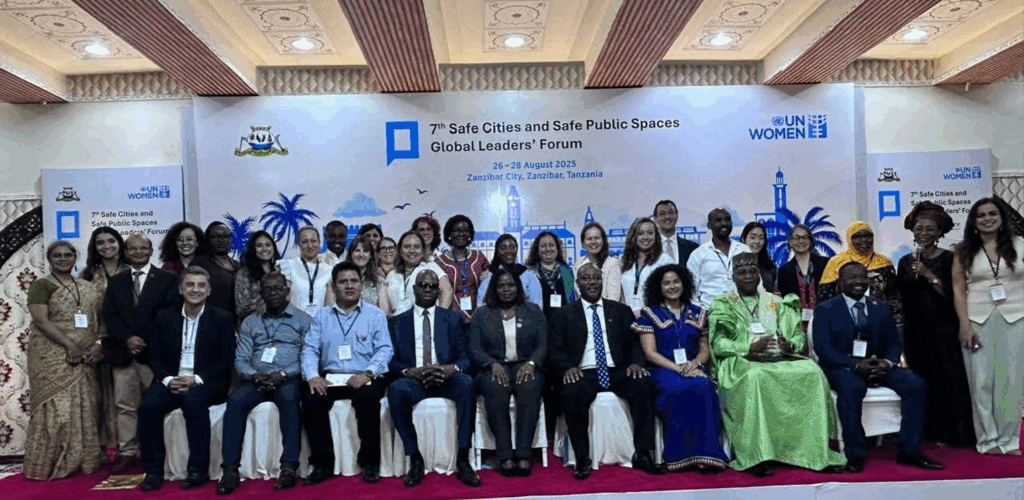
Gompa City Mayor Samuel S. Hardt recently participated in the Safe Cities and Safe Public Spaces Global Leaders’ Forum and the Fifth Meeting of Mayors, held on August 26–28, 2025, under the auspices of UN Women.
The historic island of Zanzibar hosted the three-day event, which convened global city leaders to explore strategies for safer urban environments, particularly for women and girls.
Mayor Hardt described his participation as an “incredible privilege,” lauding the forum for fostering friendships, networking opportunities, and a chance to showcase Gompa City on the world stage.
Among nine mayors invited from across Africa and beyond, the Gompa Mayor emphasized the value of making “a strong case for our beloved Gompa City.”
He expressed gratitude and acknowledged the UN Women, Minister Frederick Cooper, Deputy Minister of Administration at the Ministry of Gender and Children Protection, as well as Madam Comfort Lamptey and the UN Women Liberia team for their instrumental support in facilitating his attendance.
Mayor Hardt called on citizens of Gompa City to remain hopeful, adding, “Thanks for believing in us. We appreciate the trust you have in our leadership, and we can only do our best to make this city better than how we met it, and nothing less. I can assure you that there is a new day coming for our beloved city.”
On the sidelines of the forum, Gompa City Mayor Hardt delivered a compelling message affirming the city’s commitment to the Beijing Platform for Action, the Beijing + 30 Agenda, and the Sustainable Development Goals, particularly SDGs 5, 11, and 16.
Gompa, situated near the Guinea border in Nimba County, is an important commercial hub with unique challenges related to gender equality and safety.
The mayor elaborated that approximately 70 percent of women in Gompa engage in cross-border trade, agriculture, and market activities. Despite their vital roles, he said, these women face harassment at checkpoints, restricted access to financing, and economic vulnerabilities.
Public spaces, including crowded markets, transportation hubs, and poorly lit streets, pose heightened risks for harassment and assault against women and girls.
He added that survivors often lack access to justice, healthcare, and psychosocial support. Women remain underrepresented in local governance, and gender-responsive urban planning remains undeveloped.
In Alignment with global commitments, the Gompa City Mayor pledged to implement targeted strategies across four key areas:
Enhancing Safety & Justice
The city will launch the Safe Gompa Initiative, incorporating improved street lighting, gender-sensitive policing, and community watch groups in markets and transit zones.
It will enhance coordination among law enforcement, health providers, and social services to ensure comprehensive support for violence survivors, and operate a Gender Desk within the City Corporation (established three months ago), which has already proven effective in addressing harassment and violence issues.
Women’s Economic Empowerment
Mayor Hardt says Gompa City leadership will expand access to microfinance, digital banking, and business training to help women formalize and scale their enterprises, and advocate for cross-border trade policies that protect female traders, ensure fair taxation, and enhance regional collaboration.
He said his administration will promote women’s inclusion in the green economy through roles in waste management, renewable energy, and climate resilience.
Gender-Responsive Urban Development
Other programs include the integration of women’s safety and accessibility into all infrastructures planning, including markets, road networks, and public areas, and to ensure new projects include gender-responsive restrooms, safe transit options, and spaces for female entrepreneurs.
He noted the city is committed to gender-responsive budgeting that prioritizes municipal resources for women-centered programs.
Data, Monitoring & Partnerships
According to Mayor Hardt, the city will join UN Women’s data collection efforts to better understand sexual harassment occurrences in Gompa’s public spaces.
Disaggregate local data by gender, age, and socioeconomic groups to inform inclusive policies, he noted are paramount, in addition to partnering with grassroots women’s organizations, youth groups, and civil society to co-design and monitor the Safe Gompa Initiative.
