

By Konah Rufus – konahrufus01@gmail.com
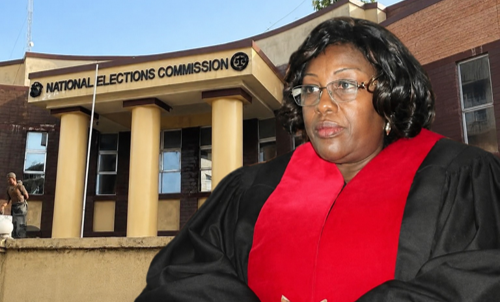
The Supreme Court of Liberia has rejected an attempt to dismiss the National Elections Commission’s appeal in a US$877,060 debt dispute with M-Tosh Prints Media Incorporated, paving the way for a full hearing into the controversial claim at the High Court en banc.
In her ruling, Associate Justice Jamesetta Howard Wolokolie, presiding in Chamber, determined that NEC properly followed all legal procedures required to perfect its appeal after a commercial court judgment was entered against the Commission.
The legal battle stems from a lawsuit the M-Tosh Prints Media filed alleging that it supplied election materials and additional election kits used during the 2019 Montserrado County Senatorial Election and District #13 by-election but was not fully paid by NEC.
According to court records, the company claims the electoral body still owes approximately US$877,060 for materials allegedly received and used during the elections.
M-Tosh sought to have NEC’s appeal dismissed, arguing that the Commission failed to meet legal requirements governing the appeals process. However, the Supreme Court disagreed.
Justice Wolokolie noted that while the Commercial Court entered judgment on December 31, 2025, NEC did not receive a copy of the ruling until January 6, 2026. The Court held that NEC subsequently filed its Bill of Exceptions within the ten-day statutory period and completed all other appeal requirements within the timeframe established by law.
The Court also clarified that an appeal bond remains valid when approved by another judge assigned to the court in circumstances where the trial judge is unavailable.
Based on those findings, the Supreme Court denied the motion to dismiss and instructed that the case proceed for hearing on its substantive issues.
The opinion, signed by Chief Justice Yamie Quiqui Gbeisay Sr. and Associate Justices of the Supreme Court, does not determine whether NEC is responsible for the debt claimed by M-Tosh Prints Media.
Instead, the ruling preserves NEC’s right to challenge the lower court’s judgment while the Supreme Court considers the central question of whether the Commission is legally liable for the disputed payment.
